

Introduction
For gardeners across India, the arrival of the monsoon is far more than a welcome relief from the scorching summer heat—it marks the beginning of nature’s most productive planting season.
The combination of cooler temperatures, regular rainfall, increased humidity, and naturally moist soil creates ideal conditions for establishing almost every type of plant. Whether you are planting majestic trees, elegant palms, flowering shrubs, ornamental plants, lawns, or a kitchen garden, the rainy season offers the highest chances of success.
Whether you own a spacious landscape, a small backyard, or a terrace garden, monsoon planting allows plants to develop deep, healthy root systems before the arrival of the next summer.
This is precisely why professional landscapers schedule most large plantation and landscaping projects during the rainy season—because nature itself provides the perfect environment for plant establishment.
Why Is the Monsoon the Best Planting Season?
During the rainy season, plants experience significantly less stress than at any other time of the year.
Moist soil, moderate temperatures, and high atmospheric humidity reduce water loss through transpiration while encouraging vigorous root growth.
Key Benefits of Monsoon Planting
- Excellent root establishment
- Lower watering requirements
- Reduced transplant shock
- Faster plant growth
- Improved soil moisture retention
- Higher survival rate of newly planted plants
- Lower maintenance during the establishment period
- Better nutrient absorption
For these reasons, government departments, institutions, residential complexes, commercial campuses, and private homeowners all prefer to undertake major plantation drives during the monsoon.
What Can You Plant During the Monsoon?
One of the greatest advantages of the rainy season is its remarkable versatility. Almost every category of landscape plant benefits from monsoon conditions.
Trees
Large trees establish quickly when planted during the rainy season.
Recommended species include:
- Neem (Azadirachta indica)
- Kadamba
- Jarul (Pride of India)
- Bakul
- Mango
- Jamun
- Ashoka
- Kachnar
- Amaltas
- Arjun
These trees develop stronger root systems because the surrounding soil remains consistently moist.
Palms
The monsoon is one of the finest seasons for transplanting palms. Continuous soil moisture encourages rapid root recovery after transplantation.
Popular palm species include:
- Foxtail Palm
- Royal Palm
- Areca Palm
- Bismarck Palm
- Bottle Palm
- Triangle Palm
- Christmas Palm
- Date Palm
- Licuala Palm
- Coconut Palm
Large specimen palms also transplant more successfully during this season.
Flowering Plants
Many ornamental flowering plants thrive during the rainy season and produce vigorous new growth.
Excellent choices include:
- Hibiscus
- Ixora
- Bougainvillea
- Crape Jasmine
- Allamanda
- Tecoma
- Plumbago
- Rangoon Creeper
- Clerodendrum
Regular rainfall encourages lush foliage and abundant flowering.
Shrubs and Hedges
Monsoon is also the ideal season to establish hedges and evergreen shrubs.
Recommended varieties:
- Duranta
- Murraya
- Acalypha
- Crotons
- Ficus
- Schefflera
These plants root quickly and establish dense growth before winter.
Lawn Installation
Fresh lawn installation becomes much easier during the rainy season.
Popular lawn grasses include:
- Mexican Grass
- Bermuda Grass
- Korean Grass
- Selection No. 1
- Doob Grass
Natural rainfall significantly reduces irrigation costs while helping grass spread rapidly.
Prepare the Soil Before Planting
Healthy plants begin with healthy soil.
Before planting, enrich the soil with organic matter to improve fertility, drainage, and root development.
Recommended soil amendments include:
- Well-decomposed compost
- Organic manure
- Leaf mould
- Cocopeat (where required)
- River sand for drainage
- Neem cake for root protection
Healthy soil provides:
- Better aeration
- Improved nutrient availability
- Strong root development
- Better moisture retention
- Faster establishment
Don’t Ignore Drainage
While rainwater is beneficial, stagnant water can quickly damage plants.
Poor drainage often leads to:
- Root rot
- Fungal diseases
- Nutrient leaching
- Mosquito breeding
- Plant death
Always ensure excess rainwater drains freely from:
- Planting pits
- Garden beds
- Containers
- Terrace gardens
- Lawns
Proper drainage is one of the most important factors in successful monsoon gardening.
Common Monsoon Planting Mistakes
Many gardeners lose valuable plants because of avoidable mistakes.
Avoid These Common Errors
- Planting in waterlogged areas
- Digging shallow or undersized planting pits
- Using poor-quality soil
- Planting too deeply
- Overwatering during continuous rainfall
- Ignoring pests and fungal infections
- Not applying mulch
- Neglecting young trees after the rainy season
Careful preparation greatly improves long-term plant health.
Why Professional Landscaping Planning Matters
Creating a beautiful landscape involves much more than planting trees.
Professional landscape planning considers:
- Soil condition
- Drainage system
- Sunlight exposure
- Appropriate plant selection
- Mature plant size
- Irrigation planning
- Future maintenance
- Seasonal colour combinations
- Long-term visual balance
Good planning ensures that today’s beautiful garden remains healthy, functional, and attractive for decades.
Frequently Asked Questions
Which is the best month for planting in India?
In most parts of India, June to September provides the most favourable conditions, although the exact timing varies with regional rainfall.
Can large trees be planted during the monsoon?
Yes. The rainy season is often ideal for transplanting mature trees and palms because the moist conditions help reduce transplant stress and support root establishment.
Should I fertilize immediately after planting?
A moderate amount of compost or well-rotted organic manure is usually sufficient at planting. Avoid excessive chemical fertilizers until the plant has established.
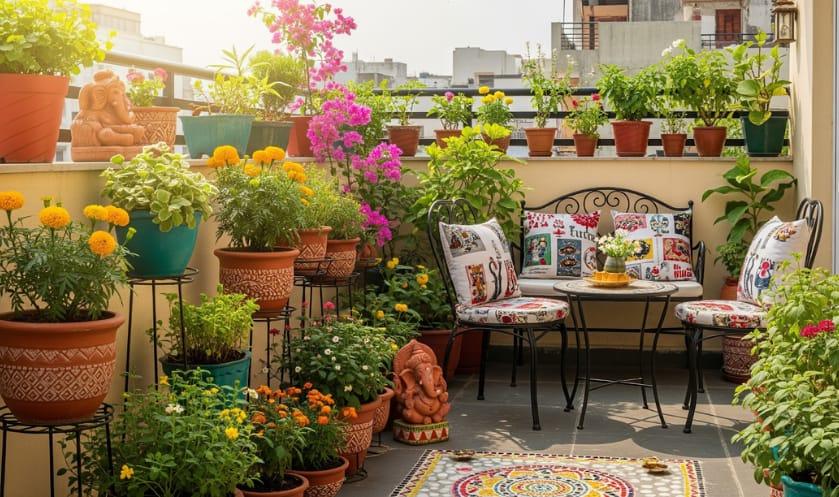
Is monsoon suitable for Terrace Gardening for Indian Homes?
Yes, provided the terrace has proper waterproofing and drainage. Excess water should never be allowed to accumulate around containers or planting beds.
Conclusion
The monsoon is nature’s invitation to plant, grow, and renew. Whether you dream of a lush home garden, a productive kitchen garden, a palm-lined driveway, or a vibrant terrace oasis, this season offers the best opportunity to establish healthy, resilient plants.
With careful planning, good-quality planting material, fertile soil, and proper drainage, your garden can flourish for years to come. Rather than waiting for the “perfect time,” make the most of the rains—because in much of India, the monsoon is the perfect time to transform your landscape.